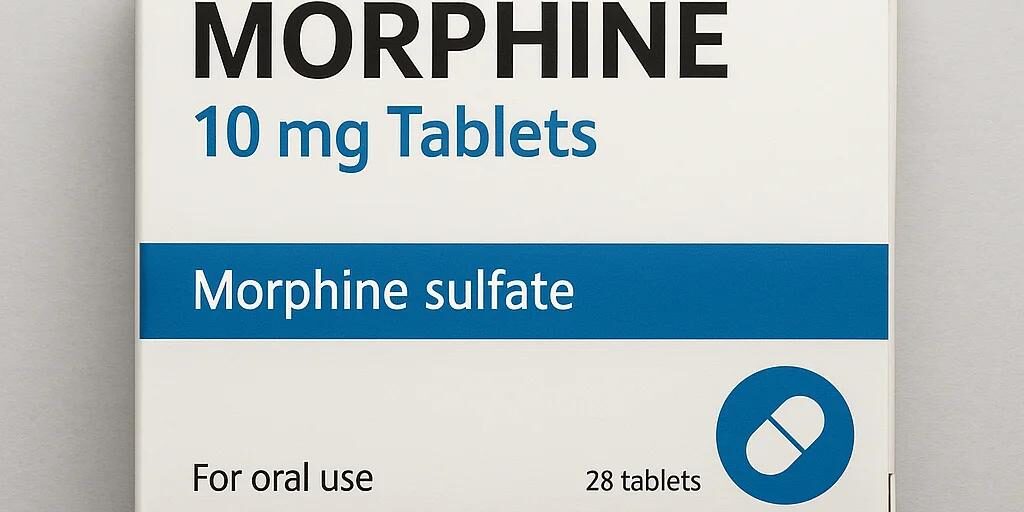
If you’ve been prescribed morphine or are caring for someone who has, you may be wondering, “How long does it take for morphine to kick in?” The answer depends on several factors, including the type of morphine, how it is administered, your metabolism, and your overall health.
Morphine is a powerful opioid pain medication commonly prescribed to manage moderate to severe pain following surgery, injury, cancer treatment, or certain chronic medical conditions. Understanding how quickly morphine starts working, how long its effects last, and how to use it safely can help you get the most benefit from your treatment while reducing the risk of side effects.
How Quickly Does Morphine Start Working?
The onset of morphine varies depending on its formulation and route of administration.
Immediate-release oral morphine typically begins to relieve pain within 30 to 60 minutes, with peak effects usually occurring within 60 to 90 minutes. This form is often prescribed for short-term or breakthrough pain.
Extended-release morphine is designed to release the medication gradually over many hours. It is used for ongoing pain management and is not intended for rapid pain relief. While it begins releasing medication after it is taken, its full pain-control effect develops more gradually.
Morphine given by injection in a hospital or clinical setting usually works much faster than oral tablets.
Factors That Affect How Fast Morphine Works
Several factors can influence how quickly morphine takes effect, including:
- Whether you take it with food or on an empty stomach
- Your age and body weight
- Liver and kidney function
- Your metabolism
- Previous exposure to opioid medications
- The specific morphine formulation prescribed
Because every individual responds differently, your healthcare provider may adjust your treatment to achieve effective pain relief while minimizing unwanted effects.
How Long Do the Effects of Morphine Last?
The duration of pain relief depends on the type of morphine prescribed.
Immediate-release morphine generally provides relief for 3 to 5 hours, although this can vary between individuals.
Extended-release formulations are designed to provide continuous pain control for 8 to 24 hours, depending on the specific product and dosing schedule prescribed by your healthcare provider.
Always follow the prescribed dosing schedule and do not take extra doses unless instructed by your clinician.
Common Side Effects of Morphine
Like all opioid medications, morphine can cause side effects. Common ones include:
- Drowsiness
- Dizziness
- Nausea or vomiting
- Constipation
- Dry mouth
- Sweating
- Mild confusion
More serious side effects can include slowed or difficult breathing, extreme sleepiness, or difficulty waking up. These require immediate medical attention.
Tips for Taking Morphine Safely
To use morphine safely and effectively:
- Take the medication exactly as prescribed.
- Never crush, chew, or split extended-release tablets unless specifically instructed.
- Avoid drinking alcohol while taking morphine.
- Inform your healthcare provider about all medications and supplements you use, especially sedatives or other medicines that affect the central nervous system.
- Store morphine securely and out of reach of children and anyone for whom it was not prescribed.
If you experience severe side effects or your pain is not adequately controlled, contact your healthcare provider rather than increasing your dose on your own.
Frequently Asked Questions
Can morphine work in less than 30 minutes?
Injectable morphine administered by healthcare professionals can begin working within minutes. Oral immediate-release morphine generally takes around 30 to 60 minutes to provide noticeable pain relief.
Does food affect morphine absorption?
Food may slightly influence how quickly oral morphine is absorbed, but most people can take it with or without food unless their healthcare provider advises otherwise. Taking it with food may help reduce stomach upset.
What should I do if morphine is not relieving my pain?
Do not take additional doses unless instructed by your healthcare provider. Persistent or worsening pain may require a reassessment of your treatment plan.
Final Thoughts
So, how long does it take for morphine to kick in? For most people taking immediate-release oral morphine, pain relief begins within 30 to 60 minutes, while extended-release morphine is designed to provide long-lasting pain control rather than rapid relief. Individual factors such as metabolism, overall health, and the type of medication prescribed can all influence how quickly morphine works.
Because morphine is a potent opioid, it should always be used exactly as directed by a qualified healthcare professional. Understanding its onset of action, duration, potential side effects, and safe-use recommendations can help you manage pain effectively while reducing the risk of complications. If you have questions about your medication or feel it is not providing adequate pain relief, consult your healthcare provider for personalized guidance rather than changing your dose yourself.
Read More: https://applepharma.uk/