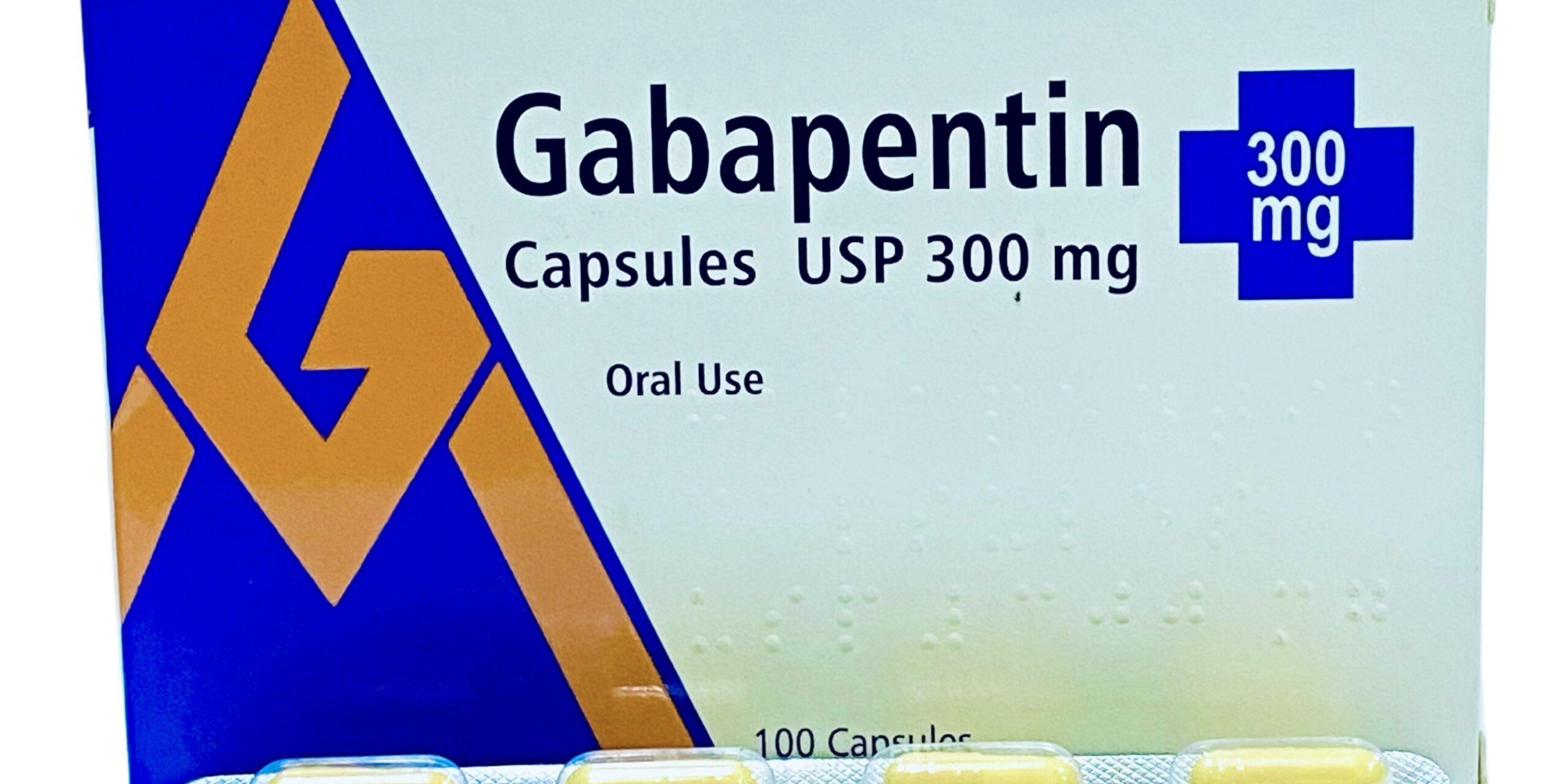
If you’ve been prescribed gabapentin, you may wonder how long gabapentin lasts, when it starts working, and how long it remains in your body. The answer can vary depending on the dose, reason for treatment, individual metabolism, kidney function, and how regularly the medicine is taken.
How Long Do the Effects of Gabapentin Last?
Gabapentin’s effects can commonly last for several hours after a dose. Because people respond differently, there is no single timeframe that applies to everyone. Some people may notice relief for much of the dosing interval, while others may experience symptoms returning sooner.
Gabapentin is generally prescribed in divided doses rather than as a single daily treatment. Following the prescribed schedule helps maintain more consistent levels of the medicine in the body.
How Long Does Gabapentin Stay in Your System?
Gabapentin has a relatively short elimination half-life, generally around 5 to 7 hours in adults with normal kidney function. A drug’s half-life is the approximate time required for the amount in the body to decrease by half.
As a general pharmacokinetic rule, most of a medicine is eliminated after several half-lives. However, this does not mean that its effects necessarily continue for the same amount of time.
Kidney function is particularly important because gabapentin is eliminated primarily through the kidneys. People with reduced kidney function may clear gabapentin more slowly, meaning the medicine can remain in the body for longer.
When Does Gabapentin Start Working?
The timing depends on why gabapentin has been prescribed and the individual taking it. Some people may notice effects relatively soon after taking a dose, while treatment for nerve pain may require regular use before the full benefit becomes apparent.
Gabapentin should be taken exactly as prescribed. Taking extra doses to obtain faster or stronger effects is unsafe.
How Long Does Gabapentin Take to Leave the Body?
For someone with normal kidney function, gabapentin is substantially cleared from the body within roughly one to two days after the final dose, although the exact timeframe varies.
Factors that can affect clearance include:
- Kidney function
- Age
- Dose and dosing schedule
- Other medicines
- Individual metabolism
- How long treatment has been ongoing
Can You Stop Gabapentin Suddenly?
Do not stop gabapentin abruptly without medical advice, particularly if you have been taking it regularly. Sudden discontinuation can cause withdrawal symptoms and may increase seizure risk in people using gabapentin for epilepsy.
A healthcare professional can advise whether your dose should be reduced gradually and provide an appropriate tapering plan.
The Bottom Line
So, how long does gabapentin last? Its noticeable effects can persist for several hours, while the medicine itself may remain in the body for considerably longer. Because clearance varies substantially between individuals—especially with differences in kidney function—your prescribed dosing schedule should be followed rather than relying on a general timeframe.
If you experience excessive sleepiness, confusion, breathing difficulties, or another concerning reaction while taking gabapentin, seek medical attention promptly. For personalized advice about how long your particular dose may last, speak with your prescriber or pharmacist.