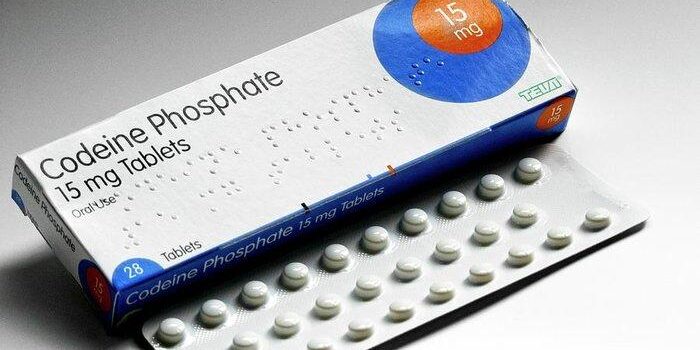
If you have been prescribed codeine phosphate for pain, you may naturally want to know how quickly you can expect it to start working. The timing can vary depending on the formulation, dose, your individual response, and whether the medicine is taken alone or as part of a combination product.
For immediate-release oral opioid medicines, including codeine-containing medicines, pain relief may begin within approximately 30 to 60 minutes. NHS patient information similarly notes that some oral opioids can start working within an hour.
When Does Codeine Start Working?
Codeine is an opioid painkiller that acts on the central nervous system to reduce the perception of pain. When taken by mouth as an immediate-release medicine, you may begin noticing an effect within around 30–60 minutes.
However, this is a general timeframe rather than a guarantee. Some people may notice pain relief sooner or later depending on factors such as their metabolism, the formulation used, the severity and type of pain, and other medicines they are taking.
If your prescribed medicine is a combination product, its overall onset can also depend on the other active ingredient. For example, NHS guidance states that co-codamol can take up to one hour to work.
How Long Does Codeine Pain Relief Last?
The duration depends on the specific formulation and individual response. Immediate-release opioid medicines taken orally may provide relief for several hours. NHS hospital guidance notes that some immediate-release oral opioids can last around 3–4 hours, while individual codeine-containing products can have different dosing instructions.
Always follow the dosing schedule supplied with your particular medicine rather than taking another dose simply because you do not feel an immediate effect.
What If Codeine Does Not Seem to Work?
Do not increase your dose or take additional codeine without medical advice. Taking more than prescribed can increase the risk of dangerous opioid effects, including excessive sedation and slowed or shallow breathing. NHS guidance specifically warns that taking an extra dose of codeine can be dangerous.
If your pain is not adequately controlled, contact your doctor or pharmacist. They can assess whether your treatment needs adjustment or whether another approach to pain management may be more appropriate.
Important Codeine Safety Information
Codeine can cause side effects including sleepiness, nausea, vomiting, constipation, dizziness and tiredness. More serious effects can include slow, weak or shallow breathing.
Avoid alcohol while taking codeine unless your healthcare professional specifically advises otherwise, because alcohol can increase the risk of side effects. Codeine can also interact with other medicines, including other opioids and medicines that cause sedation.
Regular or prolonged use can result in tolerance, dependence and addiction. If you have been taking codeine regularly for an extended period, do not stop suddenly without speaking with your healthcare professional, as withdrawal symptoms can occur.
When to Seek Urgent Medical Help
Seek urgent medical attention if someone taking codeine develops difficulty waking, extreme sleepiness, slow or shallow breathing, or serious breathing difficulties. These can indicate a potentially dangerous opioid reaction or overdose.
Key Takeaway
For many immediate-release oral codeine-containing medicines, 30–60 minutes is a reasonable general timeframe for the medicine to begin producing an effect, although individual results vary. Always use codeine phosphate exactly as prescribed and speak with a doctor or pharmacist if it is not providing adequate pain relief or if you experience troublesome side effects.